
Articles
Most Commonly Replaced Car Parts in South Africa (and When)

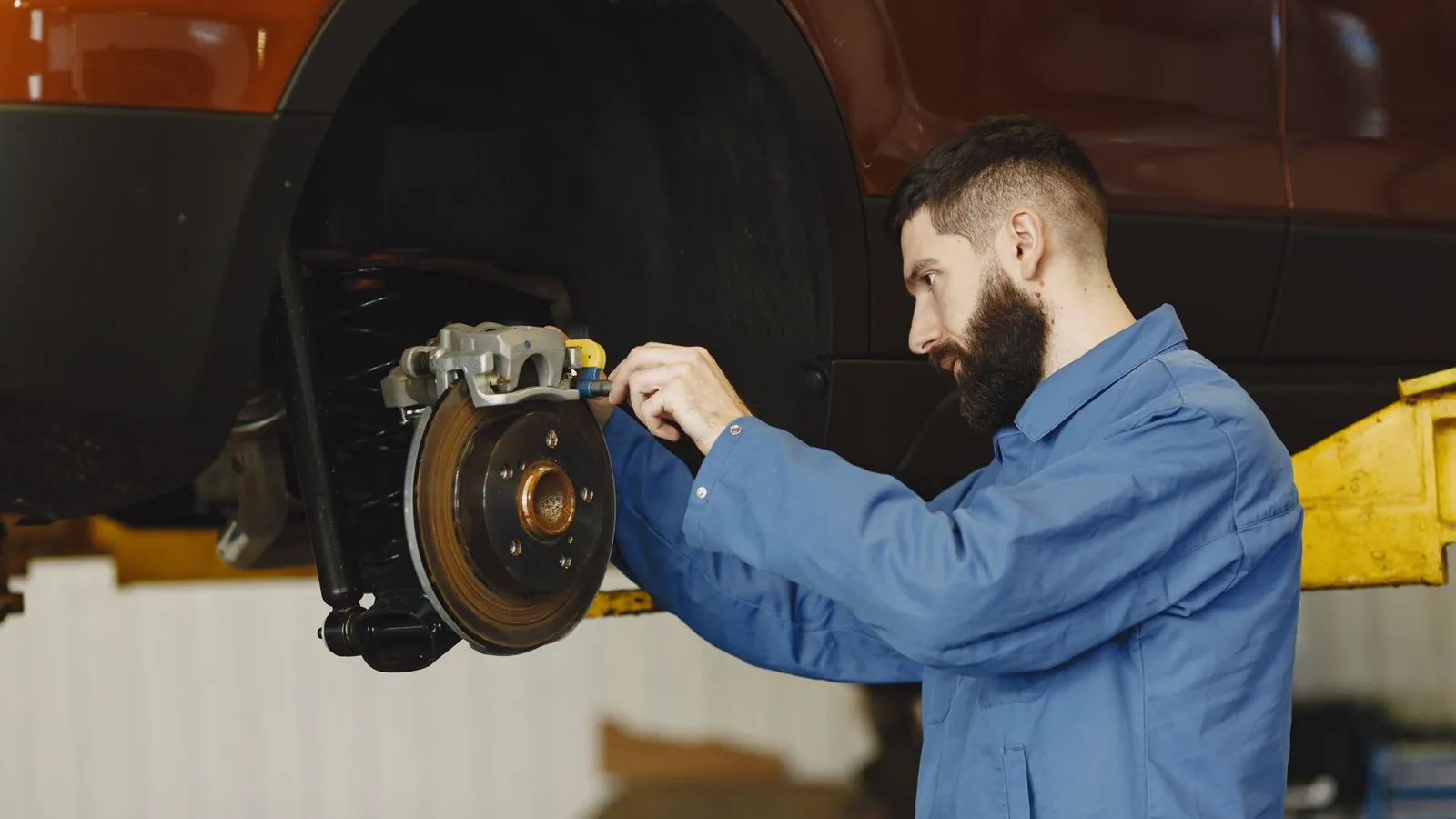
Every car wears out parts; it is simply a question of which ones and when. South African driving adds its own flavour: potholes and gravel roads punish suspension, summer heat is hard on batteries and rubber, and long highway trips rack up kilometres quickly.
This guide covers the car parts South Africans most commonly replace, the warning signs to watch for, and rough timeframes. Treat the intervals as general guidance only. Your vehicle’s service book and your mechanic’s advice always come first, because the right interval depends on your car, how you drive and where.
Service items
Engine oil and oil filter
Roughly when: at every service, according to your service book. Many modern cars sit somewhere around 10,000 to 15,000 km or once a year, but some specify shorter or longer intervals.
Warning signs: oil warning light, oil level dropping between services, very dark or gritty oil on the dipstick.
Oil is your engine’s lifeblood. If you do a lot of short trips, tow, or drive in dusty conditions, your manufacturer may recommend a shorter “severe service” interval.
Air filter
Roughly when: often checked at every service and replaced periodically. Dusty gravel roads can clog filters faster.
Warning signs: reduced performance, higher fuel consumption, a visibly dirty filter.
Cabin (pollen) filter
Roughly when: commonly around once a year.
Warning signs: musty smells from the vents, weak airflow, windows that fog up easily.
Spark plugs
Roughly when: varies widely by engine and plug type, from fairly frequent for standard plugs to much longer for iridium or platinum types. Check your service schedule.
Warning signs: misfiring, rough idle, hard starting, poor fuel economy.
Brakes
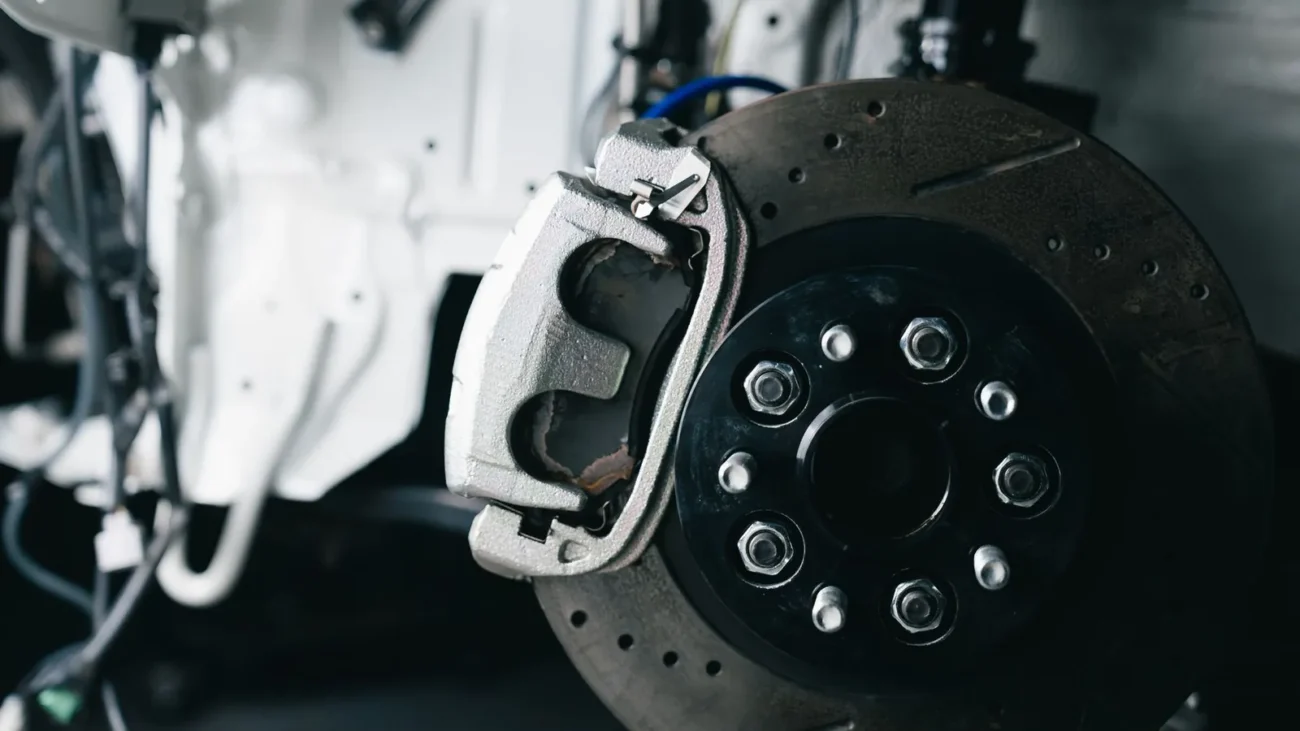
Brake pads
Roughly when: there is no fixed interval. It depends on driving style, vehicle weight and traffic. Stop-start city driving in Joburg or Durban traffic wears pads faster than open-road driving.
Warning signs: squealing or grinding, a longer stopping distance, a brake wear warning light, vibration through the pedal.
Brake discs
Roughly when: often every second pad change or so, but it depends on disc thickness and condition. Discs have a minimum thickness stamped on them.
Warning signs: vibration or pulsing when braking, deep grooves, a lip on the outer edge.
Brake fluid
Roughly when: many manufacturers recommend replacement every two years or so, because brake fluid absorbs moisture over time.
Brakes are safety-critical. Buy quality new pads, discs and hoses rather than used ones.
Tyres and wheels
Tyres
Roughly when: when tread nears the legal minimum of 1 mm in South Africa, though many experts recommend replacing earlier for better wet grip. Also replace tyres with sidewall damage, bulges or signs of ageing and cracking.
Warning signs: low tread, uneven wear (a sign of alignment or suspension problems), bulges after a pothole hit.
Wheel alignment and balancing
Not a part, but worth mentioning. Hitting potholes and kerbs knocks out alignment, which wears tyres unevenly and quickly. Have it checked after a hard impact.
Rims
Bent or cracked rims are a common casualty of potholes. A buckled rim may cause vibration or a slow leak.
Suspension and steering
South African roads are tough on these components.
Shock absorbers
Roughly when: it varies a lot with road conditions and vehicle use. Many mechanics recommend checking them regularly once a vehicle reaches higher mileage.
Warning signs: a bouncy or floaty ride, nose-diving under braking, leaking oil on the shock body, uneven tyre wear.
Bushes, ball joints and tie rod ends
Roughly when: as they wear, often accelerated by rough roads.
Warning signs: clunks over bumps, vague or wandering steering, uneven tyre wear.
CV joints and boots
Roughly when: the boot often fails before the joint. A torn boot lets grit in and grease out, which wears the joint.
Warning signs: a clicking noise when turning at low speed, grease splattered inside the wheel arch.
Electrical
Battery
Roughly when: many batteries last around three to five years, but heat, short trips and extra electrical loads can shorten that.
Warning signs: slow cranking, dim lights at start-up, the battery warning light, a swollen battery case.
Alternator
Roughly when: alternators can last a long time, but bearings and regulators eventually wear.
Warning signs: battery warning light while driving, dimming lights, whining noises, repeated flat batteries.
Starter motor
Warning signs: a single click when turning the key, grinding noises, intermittent starting.
Bulbs
Headlight, brake light and indicator bulbs fail regularly. Carry a spare set if your vehicle allows easy replacement.
Engine and cooling
Timing belt (or chain)
Roughly when: your manufacturer specifies a distance or time interval for belts. Chains are designed to last longer but can stretch.
Warning signs: often none before a belt fails, which is why the interval matters. On many engines a snapped belt causes serious damage. Replace tensioners and often the water pump at the same time.
Water pump and radiator hoses
Roughly when: as they wear, often alongside the timing belt on engines where the belt drives the pump.
Warning signs: coolant leaks, overheating, a sweet smell, a temperature gauge climbing in traffic.
Drive (serpentine) belt
Warning signs: squealing on start-up, cracks on the ribbed side, fraying.
Other common replacements
- Clutch kits on manual vehicles, especially those that tow or spend a lot of time in heavy traffic
- Wiper blades, which harden in the sun; replace them when they streak or judder
- Wheel bearings, which announce themselves with a humming or growling noise that changes with speed
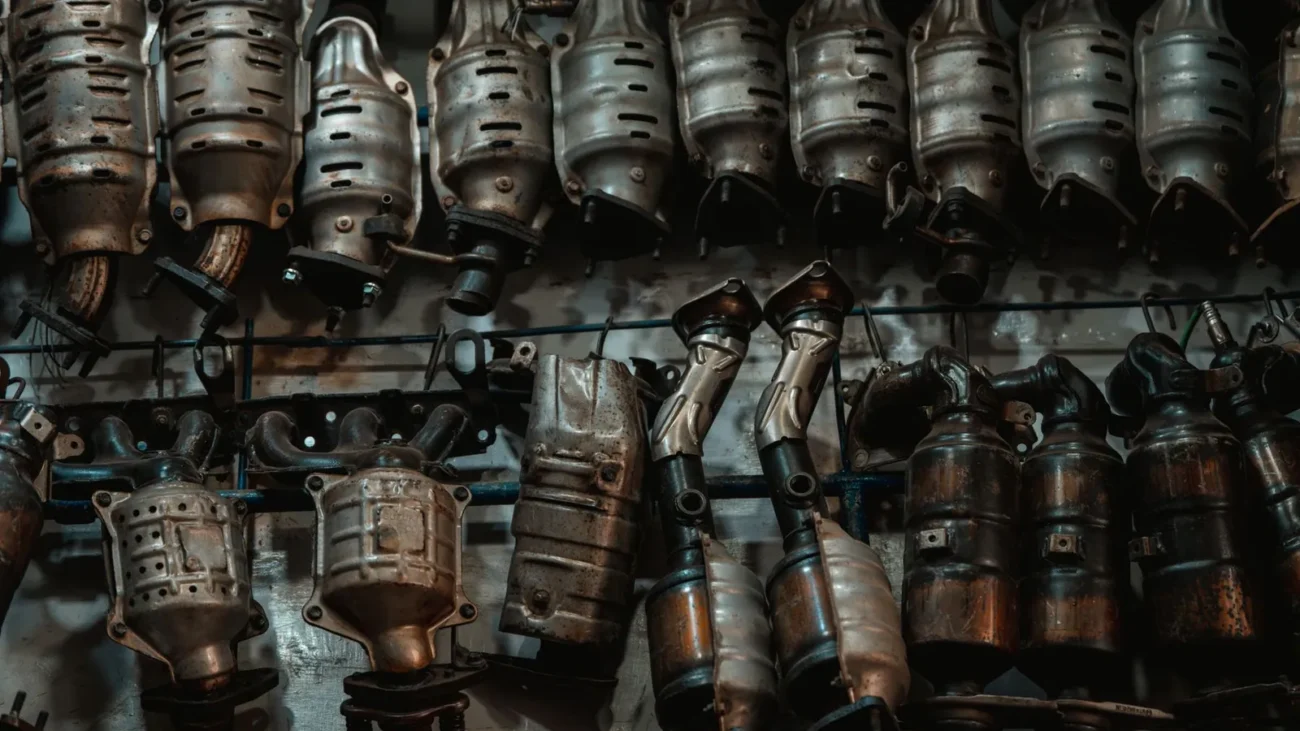
- Exhaust components such as silencers and mounts, particularly on vehicles driven on rough roads
New or used?
Some of these parts are great candidates for buying used; others are not. Service items, brake parts, timing belts and rubber components should generally be bought new. Alternators, starters, lights, mirrors, rims and body parts can be excellent value second-hand, especially for popular vehicles like the Polo, Corolla, Hilux and Ranger. Our article on OEM vs aftermarket vs pattern parts goes into more detail.
The bottom line
Knowing which parts wear out, and the signs to watch for, helps you plan maintenance rather than reacting to breakdowns. Follow your service book, listen for new noises, and deal with warning signs early.
When it is time to replace something, SecureAutoMarket lets you shop new and pre-owned parts from verified sellers, with payments held in escrow until you have checked the part. Browse seller stores to see what is available, or visit support if you have questions.
Keep reading
- Pothole Damage in South Africa: Parts to Check After a Hit
- Brake Pads and Discs: Signs of Wear and Choosing Replacements
- Roadworthy Certificate in South Africa: Common Fails and Prep
Frequently asked questions
How often should I service my car?
Follow the interval in your service book, which is usually set by distance or time, whichever comes first. Many modern cars fall somewhere around 10,000 to 15,000 km or once a year, but it varies by vehicle and use.
Do potholes really damage suspension?
Yes. Hard pothole impacts can damage tyres, bend rims, knock out wheel alignment and accelerate wear on shock absorbers, bushes, ball joints and CV joints.
How long does a car battery last in South Africa?
Many batteries last roughly three to five years, but heat, short trips and electrical load can shorten that. Have it tested if the engine cranks slowly.
When should I replace my timing belt?
Check your manufacturer’s interval, which is set by kilometres or years. A timing belt failure on many engines can cause serious engine damage, so do not stretch it.