
Articles
OEM vs Aftermarket vs Pattern Parts: Which Should You Buy?

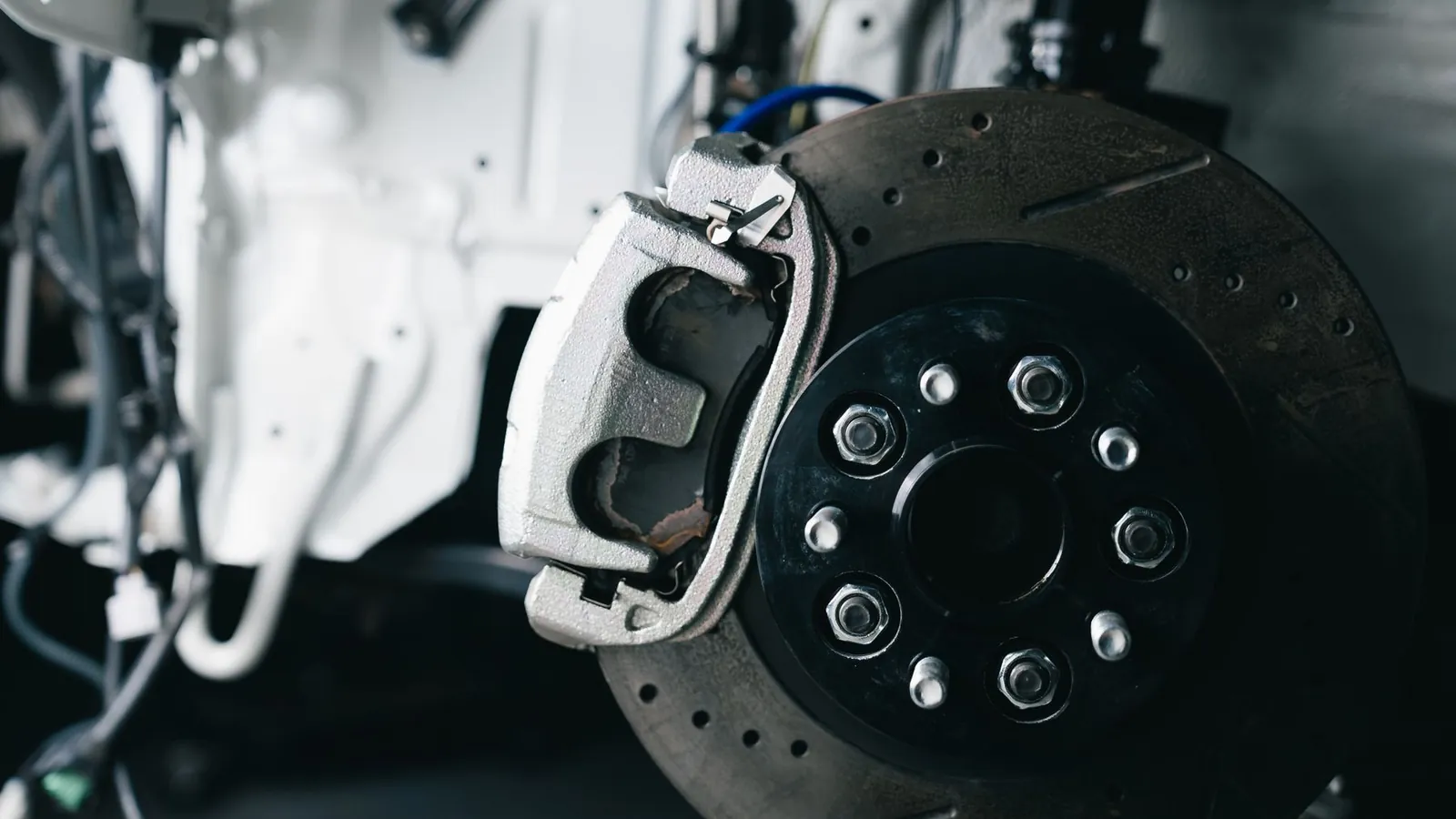
Walk into any parts shop in Johannesburg or Cape Town and ask for a set of brake pads, and you will probably be asked a question back: “Genuine or aftermarket?” Browse online and you will also see “OEM”, “OE quality”, “pattern” and “replacement”. It is easy to get lost.
This guide explains what each label means, the pros and cons of each, and how to decide which is right for your car.
The quick definitions
Genuine parts
Genuine parts are sold by the vehicle manufacturer, in the manufacturer’s packaging, usually through franchised dealers. A genuine Toyota filter comes in a Toyota box. They are the parts the car was designed around.
OEM parts
OEM stands for Original Equipment Manufacturer. Car makers rarely make every part themselves; they buy from suppliers such as Bosch, Denso, Valeo, Continental and many others. When that supplier sells the same part under its own brand, it is often called an OEM part. It can be the same component as the genuine one, just in a different box.
Be aware that people use “OEM” loosely. Some sellers say OEM when they mean genuine, and some use it for anything that fits. When it matters, ask which brand made the part.
Aftermarket parts
Aftermarket parts are made by companies that did not supply the original part to the car maker. They are designed to fit and function like the original, and quality ranges from excellent to poor. Reputable aftermarket brands can match or even exceed original specifications, particularly for common wear parts.
Pattern parts
“Pattern part” is commonly used for a copy of the original part’s design, often a lower-cost reproduction. You see the term a lot with body panels, lights, mirrors and bumpers. Some pattern parts are well made; others fit poorly or use thinner materials.
Used parts
Used parts can be genuine, OEM or aftermarket. A used headlight from a written-off Polo is still a genuine VW part. That is why used parts can be such good value: you often get original quality at a lower price.
Pros and cons at a glance
| Type | Fit and quality | Price | Best for |
|---|---|---|---|
| Genuine | Designed for your car | Usually highest | Warranty cars, critical and complex parts |
| OEM | Often identical to genuine | Often lower than genuine | Most mechanical parts |
| Quality aftermarket | Good to excellent, varies by brand | Moderate | Service and wear parts |
| Cheap pattern | Variable, sometimes poor | Lowest | Non-critical trim, budget repairs |
| Used genuine/OEM | Original fit, with wear | Often good value | Body panels, lights, interior, larger assemblies |
How to choose
Consider the job the part does
Ask yourself what happens if the part fails.
- Safety-critical parts such as brake pads, discs, hoses, steering components, ball joints and tyres deserve a trusted brand, whether genuine, OEM or a reputable aftermarket name. Saving a few hundred rand is not worth the risk.
- Engine-critical parts such as timing belts, tensioners and water pumps can cause expensive engine damage if they fail. Quality matters here too.
- Cosmetic and comfort parts such as trim, handles, covers and badges are where cheaper pattern parts or used parts make the most sense.
Consider fit
Body panels and lights are where fit problems show up most. A cheap pattern bumper may need extra work to line up, and a pattern headlight may not seal perfectly, letting moisture in. A used genuine panel in good condition often fits better than a new copy, and if you find one in the right colour, you might even save on paint.
Consider your warranty
If your car is still under a manufacturer warranty or maintenance plan, read the terms. Some plans require genuine parts for scheduled services. When in doubt, ask your dealer before fitting anything else.
Consider your car’s age and value
On a newer vehicle, it often makes sense to stay with genuine or OEM parts to protect resale value. On a 15-year-old bakkie that just needs to keep working, quality aftermarket or used parts can be the sensible, affordable route.
A South African reality check
South Africa’s roads are hard on cars. Potholes, gravel roads and long distances mean suspension, tyres, wheels and CV joints work harder than they might elsewhere. That is one reason to be selective about which parts you economise on. A cheap shock absorber that fades quickly on rough roads is a false economy.
At the same time, the high cost of new genuine parts makes the used market attractive. Popular vehicles like the Hilux, Ranger, Corolla and Polo have large used-parts supply, so good-condition genuine parts are often easy to find.
Tips for buying any type of part
- Match the part number. Aftermarket catalogues cross-reference OEM numbers, so start there. Our guide to finding the right part number covers how.
- Know the brand. Research unfamiliar brands before buying safety-critical parts.
- Ask the seller. For used parts, ask whether the part is genuine, OEM or aftermarket, and request a photo of any branding or numbers.
- Pay safely. Whatever you buy, pay in a way that protects you until the part arrives.
The bottom line
There is no single right answer. Genuine and OEM parts give you peace of mind on critical systems, quality aftermarket parts offer good value on wear items, and used genuine parts are often the smartest buy for body, lighting and interior repairs.
On SecureAutoMarket you will find new and pre-owned parts from verified sellers, with payments held in escrow until you have checked your part. Browse the seller stores to see what is available, and read the refunds and returns policy so you know how claims work.
Keep reading
- How to Buy Used Car Parts Online in South Africa Safely
- How to Find the Right Car Part Number Using Your VIN
- Used Car Part Inspection Checklist: What to Check on Arrival
Frequently asked questions
Are OEM and genuine parts the same thing?
Not always. Genuine parts are sold in the car brand’s own packaging through its dealer network. OEM parts are made by the same supplier to the same specification but may be sold in the supplier’s own box. In practice they are often the same part.
Will aftermarket parts void my warranty?
It depends on your warranty terms and the part in question. Check your service book or warranty document, and if in doubt ask your dealer before fitting non-genuine parts to a car under warranty.
Are pattern parts safe?
Some are perfectly fine for non-critical items like trim or indicator lenses. Quality varies widely, so be more cautious with safety-critical parts such as brakes, steering and suspension.
Is a used OEM part better than a new aftermarket part?
Sometimes. For body panels, lights and trim, a used OEM part often fits better than a cheap copy. For wear items like brake pads, a new quality aftermarket part is usually the smarter buy.