
Articles
Used Car Part Inspection Checklist: What to Check on Arrival

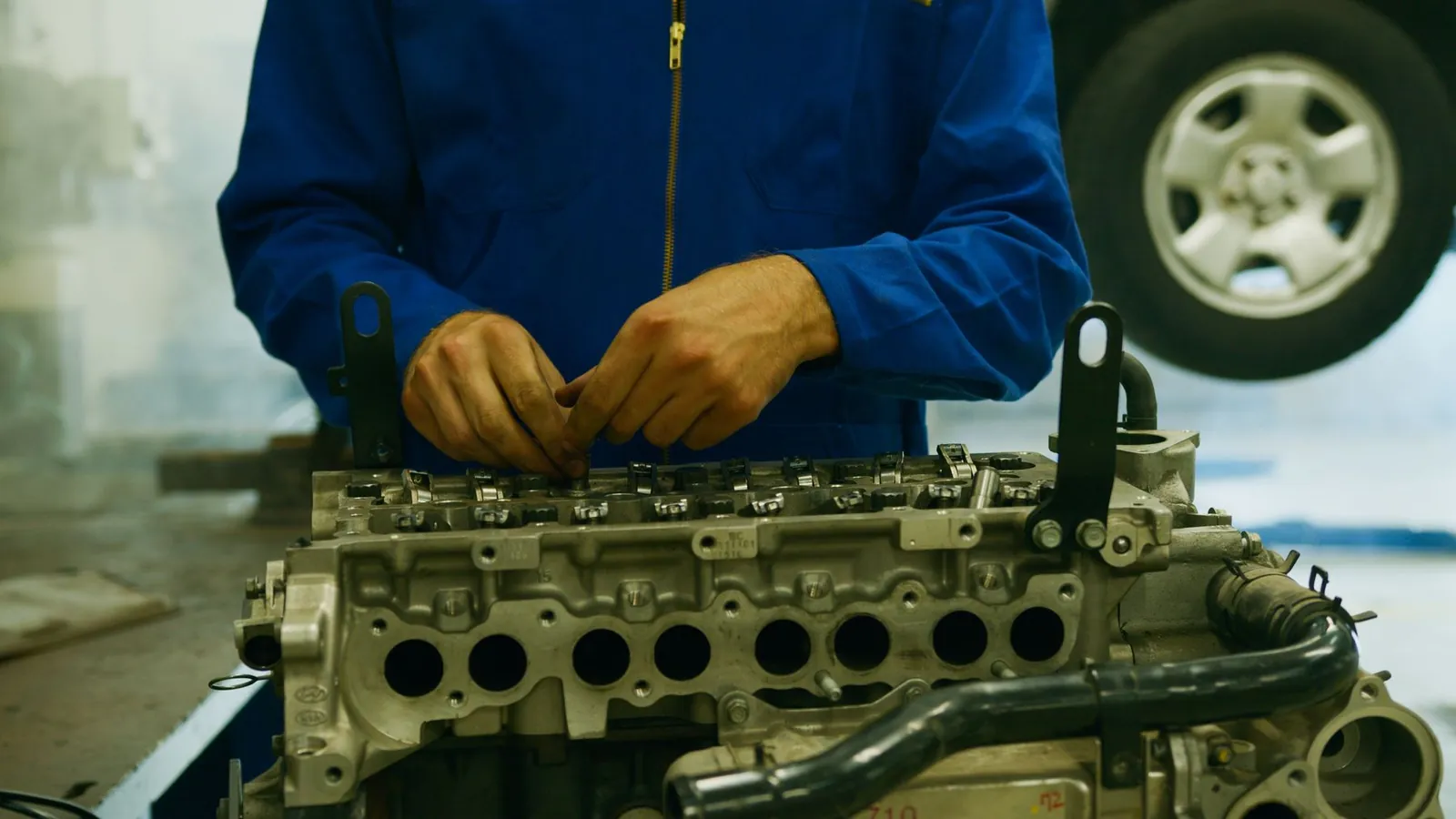
You have found the part, paid safely and the parcel is waiting in your locker. Now comes the most important step that many buyers skip: checking the part properly before accepting it.
On SecureAutoMarket, your payment is held in escrow by TradeSafe until you accept the part, or until the inspection window passes. That window is 24 hours after the parcel is delivered to your locker. If the part is materially not as described, you can raise a claim before accepting. This checklist helps you use that window well.
Before you collect: plan your 24 hours
The clock starts when the parcel is delivered to the locker, not when you collect it. So:
- Collect promptly once you are notified the parcel has arrived.
- Plan time to inspect the same day. If you want a mechanic to look at it, give them a heads-up.
- Have your listing handy. Save the photos and description so you can compare side by side.
Step 1: Check the parcel before opening
Before you tear into it:
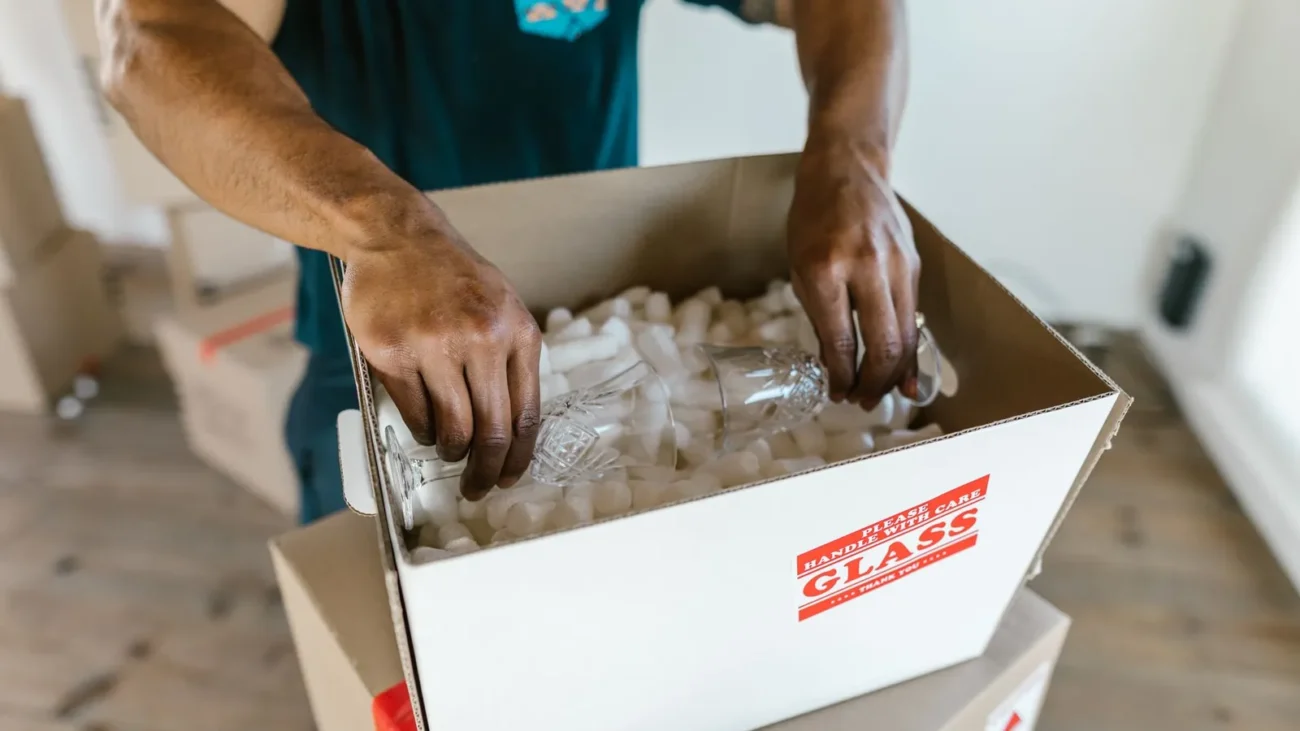
- Look for crushed corners, punctures, tears or signs of leaking fluid.
- Photograph the sealed parcel from a few angles, especially any damage.
If the box is badly damaged, take extra photos as you open it. These help show whether any damage happened in transit.
Step 2: Unbox carefully and record it
Open the parcel carefully, ideally recording a short video or taking photos as you go. Keep all packaging and padding until you are satisfied with the part. If you need to raise a claim, the packaging may be relevant.
Step 3: Confirm it is the right part
This is where most problems show up.
- [ ] Part number matches the listing and the number you need
- [ ] Side is correct: left or right (remember, in SA the driver’s side is the right-hand side)
- [ ] Vehicle and year match the listing
- [ ] Connector type and number of pins match your old part
- [ ] Mounting points line up with your old part: same number of bolt holes, same bracket positions
- [ ] Included items are all present: brackets, bolts, covers, bulbs, whatever the listing promised
The quickest check is to put the new part next to your old one and compare them physically.
Step 4: Check the condition against the listing
Used parts are sold “as is” (voetstoots), so you are checking whether the part matches what was described, not whether it is perfect.
General checks for any part
- [ ] No cracks, breaks or damage that was not shown or mentioned
- [ ] All tabs, clips and threads intact (unless the listing said otherwise)
- [ ] No signs of repairs that were not disclosed
- [ ] No obvious signs of fire or water damage
Headlights and taillights
- [ ] Lens free of cracks; scratches consistent with the photos
- [ ] Mounting tabs intact
- [ ] No moisture or condensation inside the housing
- [ ] Adjuster mechanisms and plugs undamaged
- [ ] If possible, test the bulbs or LEDs on the vehicle
Mirrors
- [ ] Glass intact, not cracked or delaminating
- [ ] Housing and cover undamaged
- [ ] Electric adjustment, folding or heating works if the listing claims it (test on the car)
Alternators and starters
- [ ] Pulley spins smoothly by hand, with no grinding or excessive play
- [ ] Terminals and connectors undamaged
- [ ] Housing not cracked
- [ ] Ideally, test on the vehicle or have an auto electrician bench-test it
Brake calipers
- [ ] Piston not seized or heavily corroded (if the listing claimed it was serviceable)
- [ ] Bleed nipple and hose threads intact
- [ ] Slide pins move freely
Suspension and steering parts
- [ ] Ball joints and bushes free of excessive play or tears (as far as you can check by hand)
- [ ] Dust boots intact if described as such
- [ ] Threads undamaged
Body panels and trim
- [ ] Paint colour and condition match the listing
- [ ] No dents or creases beyond those described
- [ ] Clips and mounting points intact
Electronics and modules
- [ ] Casing undamaged, connectors clean with no bent pins
- [ ] Part number and any software or hardware codes match what you need
- [ ] Remember some modules need coding to your vehicle, so a module that does not work immediately is not always faulty
Step 5: Test fit, carefully
If you can, test fit the part within the window. Offer it up, check that bolts line up and plugs connect. Do not modify, cut, drill or permanently install a part before you are sure you are keeping it. If you are having it fitted by a workshop, ask them to check fitment before fitting it fully.
Step 6: Accept or raise a claim
- All good? Accept the part so the seller gets paid. It is a courtesy that helps honest sellers.
- Something materially wrong? Raise a claim before accepting, and before the 24-hour window ends. Include clear photos of the issue, the part number and the packaging.
What counts as “materially not as described”? Generally, things like the wrong part, a part number that does not match, missing items that were listed as included, or significant damage that was not disclosed. Minor wear consistent with a used part and the listing photos is normally not a valid claim. The refunds and returns policy sets out the details, and support can help if you are unsure.
A printable quick checklist
- Collect promptly after delivery notification
- Photograph the sealed parcel
- Unbox carefully and keep packaging
- Match part number, side and connector
- Compare condition with listing photos
- Test fit without modifying
- Accept, or raise a claim within 24 hours
The bottom line
The inspection window exists to protect you, but only if you use it. Collect promptly, compare carefully and raise any issue before you accept. That way, the escrow system does exactly what it is designed to do: keep your money safe until you know you have the right part.
Keep reading
- How to Buy Used Car Parts Online in South Africa Safely
- How to Find the Right Car Part Number Using Your VIN
- OEM vs Aftermarket vs Pattern Parts: Which Should You Buy?
Frequently asked questions
How long do I have to inspect a part on SecureAutoMarket?
The inspection window is 24 hours after the parcel is delivered to your chosen locker. If you do not accept or raise a claim in that time, the funds are released to the seller.
Can I claim for normal wear on a used part?
Used parts are sold as is, so normal wear that matches the listing is not grounds for a claim. Claims are for parts that are materially not as described, such as the wrong part or undisclosed damage.
Should I fit the part before accepting it?
A careful test fit is a good idea if you can do it within the window without modifying or damaging the part. Keep all packaging until you are satisfied.
What evidence should I keep if something is wrong?
Photograph the sealed parcel, the unboxing, the part number and any damage, and keep the packaging. Clear evidence makes a claim much easier to assess.