

Articles
Brake Pads and Discs: Signs of Wear and Choosing Replacements

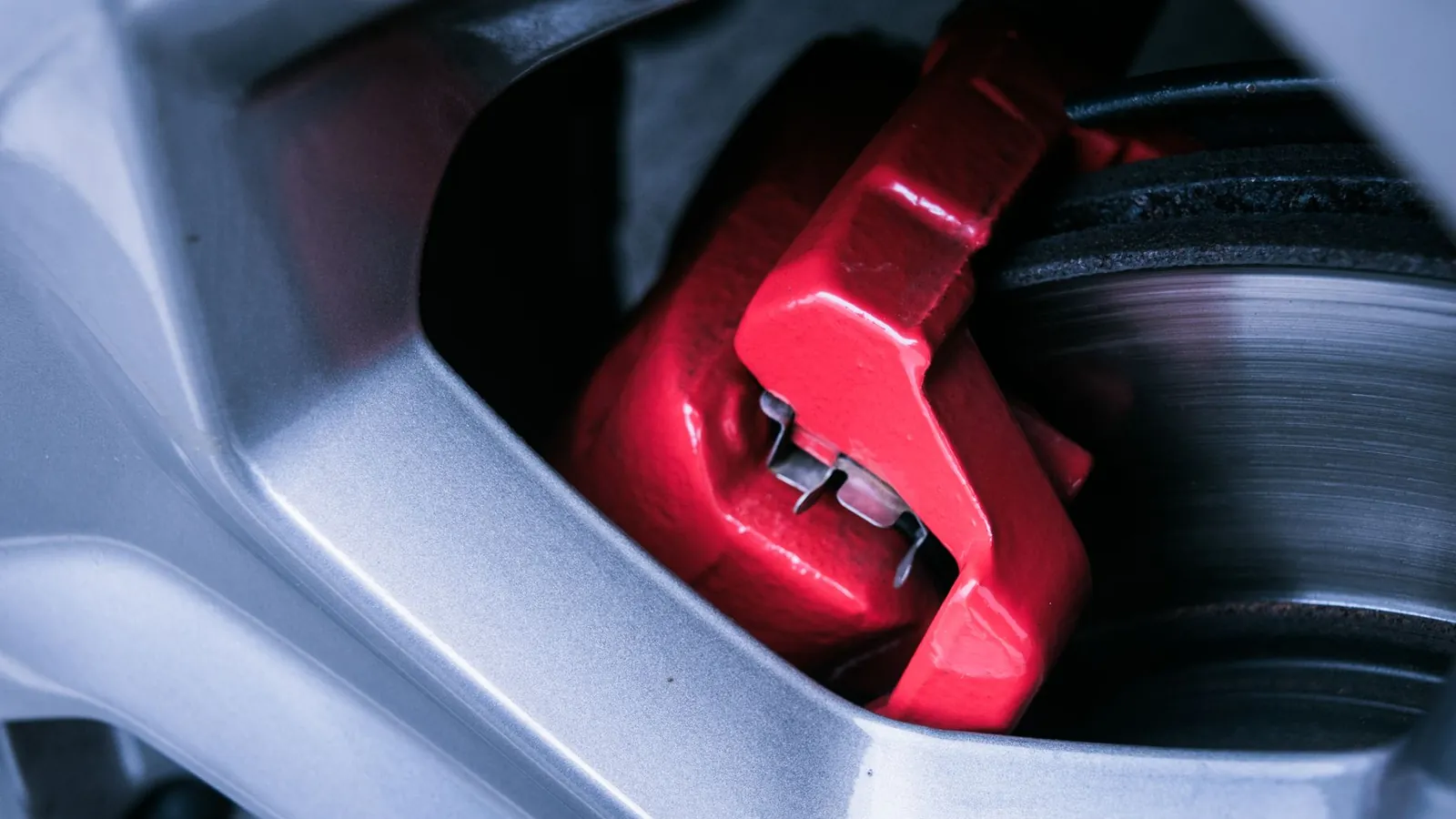
You can live with a noisy exhaust or a sticky window switch. You cannot live with bad brakes. Whether you are stopping for a robot in Cape Town traffic or coming down a long pass with a loaded bakkie, your brake pads and discs do an enormous amount of work every day.
This guide explains how to spot worn brakes, what to consider when buying replacements and, importantly, when to hand the job to a professional.
How your brakes work (the short version)
Most modern cars use disc brakes at least on the front wheels. When you press the pedal, hydraulic pressure pushes the brake pads, held in a calliper, against a metal disc (also called a rotor) that spins with the wheel. Friction slows the car, and both pads and discs slowly wear away in the process. Some cars, especially older or entry-level models, still have drum brakes at the rear, which work on a similar principle with shoes inside a drum.
Signs your brake pads are worn
Squealing or squeaking
Many pads have a small metal wear indicator that squeals against the disc when the pad gets thin. It is designed to annoy you into getting them checked.
Grinding
A harsh grinding sound usually means the friction material is gone and metal is contacting the disc. This is urgent. Braking performance drops and your discs are being damaged with every stop.
Warning light
Many cars have electronic pad wear sensors that trigger a dashboard warning. When it comes on, book the car in soon. Note that the sensor usually needs replacing along with the pads.
Longer stopping distances or a soft pedal
If the car takes longer to stop or the pedal feels spongy or sinks lower than usual, have it inspected immediately. A soft pedal can point to air or moisture in the brake fluid, or a leak.
Visual check
On many cars with open alloy wheels, you can see the pad through the spokes. If the friction material looks very thin, a common rule of thumb is that pads around 3 mm or less are due for replacement. Your mechanic can measure them properly.
Signs your brake discs need attention
- Vibration or pulsing through the brake pedal or steering wheel when braking, often a sign of uneven disc thickness (commonly called warped discs)
- Deep grooves or scoring on the disc surface
- A pronounced lip on the outer edge of the disc
- Blue discolouration or cracks, which point to overheating
- Thickness below the minimum, which is often stamped on the disc itself, sometimes marked “MIN TH”
Choosing replacement brake pads
Match the part exactly
Brake parts vary between engine sizes, model years and even trim levels, because a sportier version may have bigger brakes. Use your vehicle details or, better still, the part number from your current pads or discs. Differences of a few millimetres matter.
Pad types
- Organic (non-asbestos organic) pads are quiet and gentle on discs but wear faster and produce more dust.
- Semi-metallic pads handle heat well and suit heavier vehicles and towing, but can be noisier.
- Ceramic pads are generally quiet, produce less dust and last well, but tend to cost more.
For most daily drivers, pads matching the original specification are the right choice. If you tow a caravan to the coast or drive a loaded bakkie on steep gravel passes, ask about pads suited to higher temperatures.
Quality matters
This is not the place to chase the cheapest option. Choose OEM or reputable aftermarket brands, and be wary of prices that seem too good to be true, because counterfeit brake parts do exist.
Choosing replacement brake discs
Buy discs that match your car’s diameter, thickness and bolt pattern, and check whether yours are solid or vented. Vented discs have cooling vanes between two faces and are common on front axles.
Always replace discs and pads in pairs on the same axle. Replacing only one side causes uneven braking, and the car can pull to one side.
Should you buy new or used brake parts?
For pads, the answer is simple: buy new. Pads are cheap relative to the risk, and you cannot judge a used pad’s remaining life or history properly.
Discs are a closer call, but most mechanics still recommend new. If you are restoring an older car where new discs are genuinely hard to find, a used disc must be well above minimum thickness and free of cracks, heavy grooves and warping, and should be checked by a professional before fitting.
Where pre-owned parts do make good sense is the hardware around your brakes: callipers for older models, calliper brackets, backing plates and ABS sensor housings, for example. On SecureAutoMarket, used parts are sold as is, but your payment is held in escrow by TradeSafe until you receive and accept the part, giving you time to inspect it. It is a much safer way to buy than an EFT to a stranger on social media, and the support page explains how the process works.
DIY or professional?
Pad replacement is a common DIY job for experienced home mechanics with the right tools: a proper jack, axle stands (never work under a car held up only by a jack), a torque wrench and a calliper piston tool. But brakes leave no room for mistakes.
Go to a professional if:
- You have never done brake work before
- Your car has an electronic parking brake, which often needs a diagnostic tool to retract the rear callipers
- The pedal feels soft or spongy
- There is a fluid leak
- You need to bleed the brakes or replace brake lines or callipers
- You are not completely sure you can torque everything correctly
After any brake work, new pads need bedding in. Follow the manufacturer’s instructions, which usually involve a series of moderate stops, and avoid heavy braking for the first while.
Do not forget the brake fluid
Brake fluid absorbs moisture over time, which lowers its boiling point and can make the pedal feel soft after heavy use. Many manufacturers recommend replacing it roughly every two years, but check your service book. Always use the fluid type specified for your car, such as DOT 4.
Brakes and the roadworthy test
Brakes are among the most common reasons for failing a roadworthy test. Testing stations check braking efficiency and balance, the handbrake, and the condition of brake components. Worn brakes are a fail, and more importantly, a danger.
Keep reading
- Most Commonly Replaced Car Parts in South Africa (and When)
- Pothole Damage in South Africa: Parts to Check After a Hit
- Roadworthy Certificate in South Africa: Common Fails and Prep
Frequently asked questions
Do I need to replace brake discs every time I replace pads?
Not always. If the discs are above their minimum thickness, are smooth and are not warped or cracked, new pads can often go on the old discs. Many mechanics replace discs every second pad change, but it depends on your car and driving. Always replace pads and discs in pairs on the same axle.
What does a grinding noise from the brakes mean?
Grinding usually means the pad friction material is worn down and metal is touching the disc. Stop driving as soon as it is safe and get the brakes inspected, because braking performance drops and the discs are being damaged.
Can I buy used brake discs?
Brakes are safety critical, so most people and mechanics prefer new pads and discs. If you consider used discs, they must be well above minimum thickness and free of cracks, deep grooves and warping, and a professional should check them before fitting.
How often should brake fluid be changed?
Brake fluid absorbs moisture over time, which reduces its effectiveness. Many manufacturers recommend changing it every two years or so, but follow the interval in your service book.