
Articles
Roadworthy Certificate in South Africa: Common Fails and Prep

The phrase “sold with a roadworthy” appears in countless car adverts for a reason. In South Africa, a roadworthy certificate (often called an RWC or simply “a roadworthy”) is a key document when a used vehicle changes hands. Yet plenty of cars fail their first test for small, fixable problems that could have been sorted beforehand.
This guide covers when you need a roadworthy, what examiners look at, the parts that commonly cause a fail, and how to prepare.
When do you need a roadworthy certificate?
The most common situation is a change of ownership. When a used vehicle is sold, the licensing office generally requires a valid roadworthy certificate before it will register the vehicle in the new owner’s name. The seller is usually responsible for providing it.
You may also need one when:
- Re-registering a vehicle that has been deregistered
- A vehicle has been rebuilt after being written off
- A traffic officer has issued a notice declaring the vehicle unroadworthy
- Certain vehicle types, such as some public transport and commercial vehicles, need periodic tests
A roadworthy certificate is generally valid for 60 days from the date of issue, so time the test so that the paperwork can be completed within that window. Requirements and processes can differ slightly between provinces and testing stations, so check with your local licensing office or testing station.
Where to get tested
Roadworthy tests are done at government vehicle testing stations and private testing stations registered with the relevant provincial department. Fees and booking processes vary, so phone ahead or check online. Remember to take your vehicle registration documents and identification.
What the examiner checks
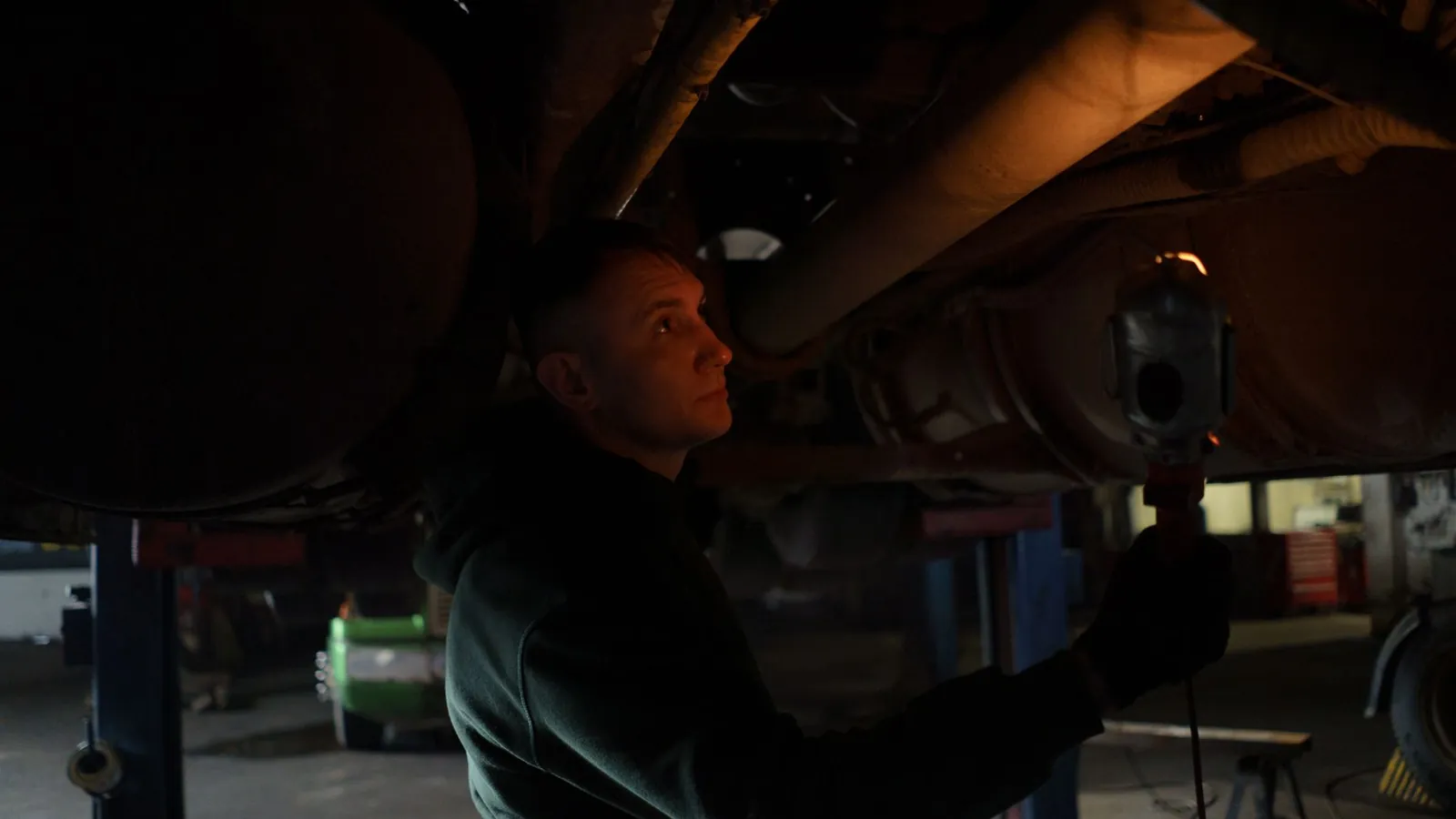
A roadworthy test is thorough. Examiners inspect the vehicle inside, outside and underneath. Broadly, they look at:
- Identification. The VIN and engine number must match the registration papers, and number plates must be legal and legible.
- Brakes. Braking efficiency and balance, the handbrake, and the condition of brake parts.
- Steering and suspension. Play in the steering, worn ball joints, tie rod ends, bushes and shock absorbers.
- Tyres and wheels. Tread depth, damage and matching sizes.
- Lights and electrics. Every light, the hooter and the wipers.
- Glass and mirrors. Windscreen condition, window tint and mirrors.
- Safety equipment. Seatbelts and their mechanisms.
- Body and chassis. Rust, sharp edges and structural damage.
- Exhaust and leaks. Exhaust leaks and fluid leaks.
The parts that most commonly fail
Lights and electrics
Lighting and electrical faults are one of the most common reasons for failing. A single blown number plate bulb, a dead brake light or a slow-flashing indicator can be enough. The hooter and wipers must also work.
Brakes
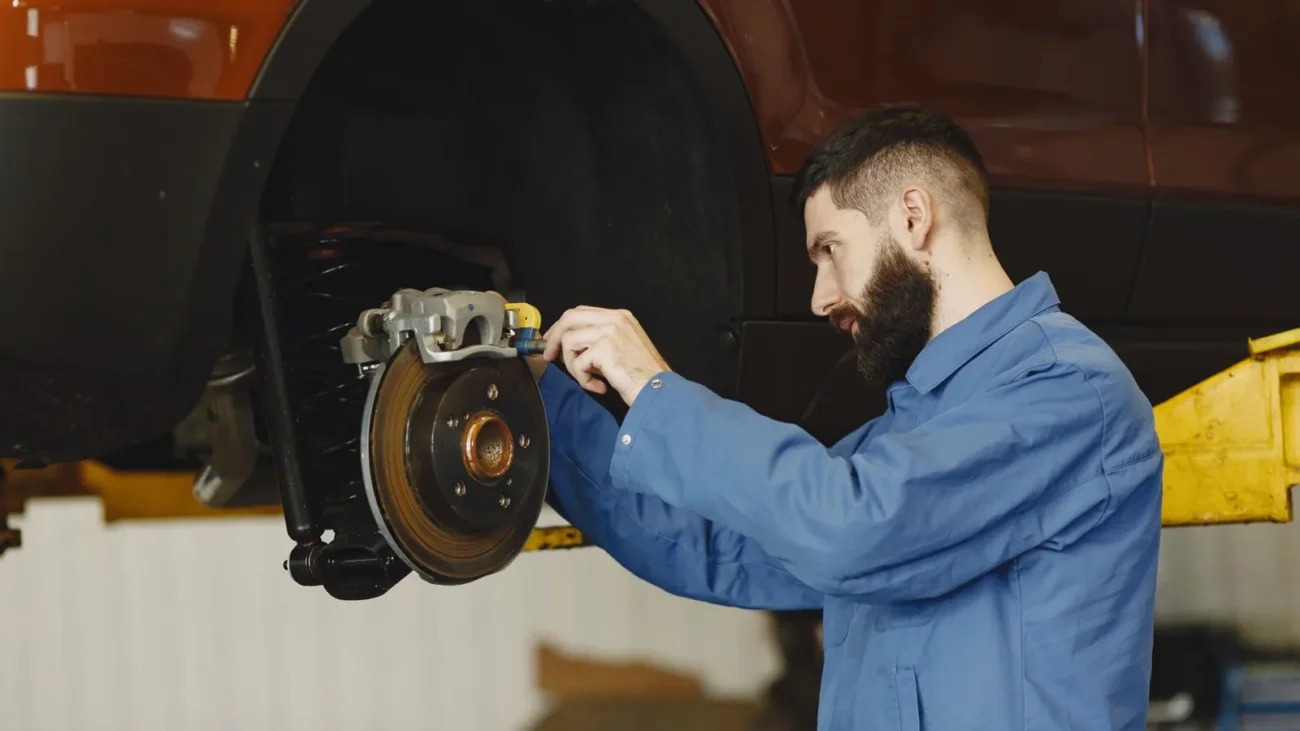
Worn pads, scored discs, uneven braking between left and right, leaking brake lines and a weak handbrake are frequent fails.
Tyres
South African law requires at least 1 mm of tread across the full width and circumference of the tyre. Tyres with bulges, cuts, exposed cords or uneven wear from bad alignment will fail. Tyres on the same axle should generally be the same size and type.
Windscreen
Cracks and chips in the driver’s line of sight or in the area swept by the wipers are a common problem. Worn wiper blades that smear can also count against you.
Seatbelts
Every seatbelt must latch, release and retract properly. Frayed webbing or a buckle that does not lock will fail.
Steering and suspension
Worn tie rod ends, ball joints and bushes, excessive steering play, and leaking shock absorbers show up quickly on an inspection pit.
Oil leaks and exhaust
Significant oil leaks and exhaust leaks, or a loose or damaged exhaust, are common fails, especially on older cars.
Modifications
Anything outside the original specification can raise questions. Window tint darker than the legal limits, non-approved lights, excessive lowering and wheels that rub are among the usual suspects. If you have modified your car, check that each change is legal before you book the test.
Your pre-test checklist
Work through this list a week or two before your test so you have time to source any parts.
Lights
1. Headlights on dim and bright
2. Tail lights, brake lights (including the high-level one) and number plate lights
3. Indicators and hazards
4. Reverse light
Visibility
5. Windscreen free of cracks in the wiper area
6. Wipers clear the glass cleanly and washers work
7. Mirrors intact and adjustable
Safety
8. Every seatbelt latches and retracts
9. Hooter works
10. Handbrake holds the car on a slope
Tyres and wheels
11. Tread above the legal minimum on all tyres
12. No bulges or cuts
13. Wheel nuts all present
Underneath and under the bonnet
14. No obvious oil, coolant or brake fluid leaks
15. Exhaust secure and not blowing
16. Battery secured by its clamp
Paperwork
17. VIN and engine number plates clean and readable
18. Number plates legal and securely fitted
If anything is doubtful, a trusted mechanic can do a pre-roadworthy check. Paying for a small repair in advance is usually cheaper and less stressful than a retest.
Sourcing parts before the test
A roadworthy fail often comes down to one or two inexpensive parts: a tail light lens, a side mirror, a seatbelt buckle or a set of wiper blades. For older vehicles, original parts can be hard to find new, which is where pre-owned parts help.
On SecureAutoMarket, you can buy new and pre-owned parts from verified sellers, with your payment held in escrow by TradeSafe until you receive and accept the part. Parts are delivered to a PUDO locker of your choice, which is handy when you are working around a test booking. Used parts are sold as is, so check photos and part numbers carefully, and for safety-critical items such as seatbelts and brakes, be especially careful about condition.
After the test
If your car passes, keep the certificate safe and complete the ownership transfer within the validity period. If it fails, you will receive a list of the defects. Fix them, keep your receipts and book the retest.
Keep reading
- Most Commonly Replaced Car Parts in South Africa (and When)
- Pothole Damage in South Africa: Parts to Check After a Hit
- Brake Pads and Discs: Signs of Wear and Choosing Replacements
Frequently asked questions
When do I need a roadworthy certificate in South Africa?
Most commonly when a used vehicle changes ownership, since the licensing office generally will not register it in the new owner’s name without a valid certificate. It is also required in other cases, such as re-registering a vehicle or after certain repairs or notices from traffic authorities.
How long is a roadworthy certificate valid?
A roadworthy certificate is generally valid for 60 days from the date of issue, so the change of ownership needs to be completed within that period.
What happens if my car fails the roadworthy test?
You receive a list of the items that failed. You then fix them and take the car back for a retest. Policies and fees for retests differ between testing stations, so ask before your first test.
Will aftermarket modifications fail a roadworthy?
They can. Window tint darker than the legal limit, illegal lighting, excessive lowering, oversized wheels that rub, or a very loud exhaust can all lead to a fail, depending on the examiner and the modification.