
Articles
Classic Car Parts in South Africa: Finding Hard-to-Find Spares

South Africa has a car culture all of its own. We kept building the Mk1-based Citi Golf until 2009, long after the rest of the world had moved on. The BMW E30 became a local legend, helped by South African specials like the 325iS. Generations of Toyota Hilux bakkies and Corollas are still working hard in towns and on farms across the country, and air-cooled Beetles have a devoted following from Pretoria to Gqeberha.
Keeping these cars on the road is a labour of love, and the biggest challenge is usually parts. This guide covers where to look, how to make sure you are buying the right thing and how to protect yourself.
Why older car parts get hard to find
Manufacturers support models for a limited time after production ends. As the years pass, original parts are discontinued, dealer stock runs dry and the cars that could donate parts slowly disappear. Some parts, like engine internals for popular models, stay easy to find. Others, such as specific interior trim, badges, lenses and body panels, can become genuinely rare.
South African specials add another layer. Parts unique to locally built or locally developed versions were never sold widely overseas, so you cannot always rely on international suppliers.
Model by model: what to expect
VW Citi Golf and Mk1 Golf
The good news is that the Citi’s long local production run means plenty of mechanical parts are still around, and many parts are shared with the Mk1 Golf and Jetta. Common hunts include specific trim pieces, special edition badges and interior parts, and good, rust-free panels. Owners’ clubs and Golf forums are excellent for identifying which parts interchange.
BMW E30
E30 values have climbed, and so have prices for parts. Mechanical parts for the common engines are generally available, but South African specific parts, such as those unique to the 325iS, can be scarce and expensive. Watch out for reproduction parts being sold as original, and verify part numbers carefully.
Toyota Hilux and Corolla
Toyota’s reputation for durability means older Hilux bakkies and Corollas are still everywhere, which works in your favour. Many service parts remain available, and there is a large supply of used parts. The challenge is matching the right part to the right generation and engine, as Toyota ran many variants over the years.
VW Beetle
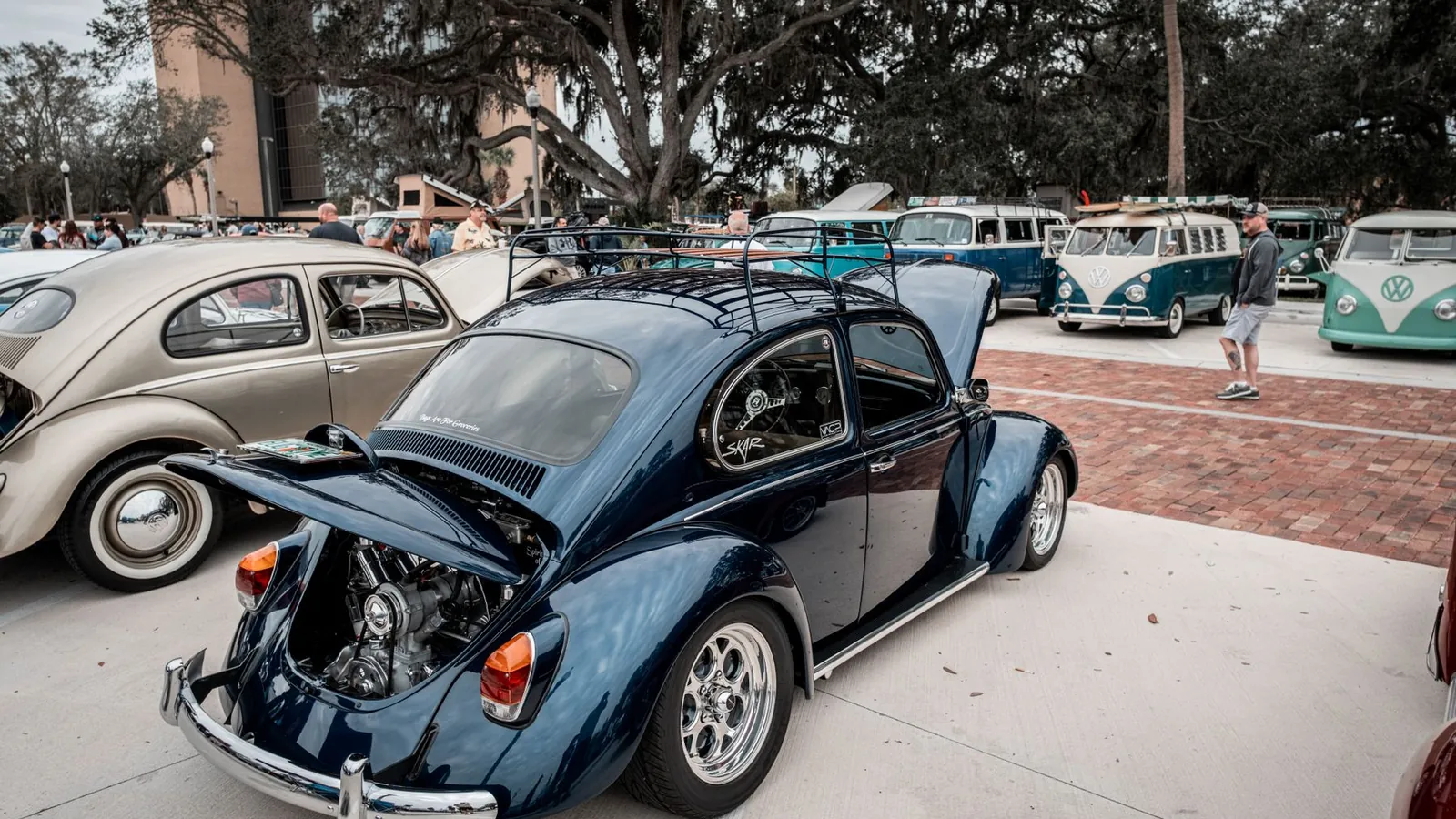
The air-cooled Beetle is one of the best-supported classics in the world, with a large reproduction parts industry. Rubbers, seals, trim and many mechanical parts are widely available. Quality varies, so ask experienced Beetle owners which suppliers and brands fit well.
Where to find hard-to-find parts
Online marketplaces
Marketplaces let you search across many sellers at once, including people who have stripped a project car, specialists and parts dealers. On SecureAutoMarket, you can browse new and pre-owned parts from verified sellers, and your payment is held in escrow by TradeSafe until you receive and accept the part. That matters a lot when you are paying good money for a rare item from a seller in another province.
Owners’ clubs and forums
Clubs are gold for classic owners. Members know which parts interchange, who has stock and which reproduction brands are worth buying. Many clubs have classifieds or swap meets.
Scrapyards and salvage dealers
Scrapyards can still turn up treasures, particularly for common models. Go with the part number, photos of what you need and a torch.
Specialists
For popular classics, there are specialists who focus on specific makes. They may cost more, but their knowledge can save you from buying the wrong part.
Cross-referencing
Many manufacturers shared parts across models and years. A switch, bearing or seal on your car might also have been fitted to a more common model, which can open up a much bigger supply. Always confirm with part numbers rather than appearance.
How to make sure it is the right part
Classic car parts often look similar but differ in small ways that matter. To avoid mistakes:
- Find the part number. Check the old part, workshop manuals or parts catalogues.
- Know your exact model details. Year, engine code, body style and trim level all matter.
- Ask for detailed photos. Include the back, mounting points and any stamped numbers.
- Compare measurements. For things like hoses, seals and trim, a tape measure is your friend.
Protecting yourself when buying rare parts
The classic parts world has its share of risk. High prices attract fakes and scammers, and stolen parts do circulate.
Watch for red flags
- Prices far below what the part normally sells for
- Sellers who cannot or will not send clear photos
- Pressure to pay urgently by EFT “before someone else buys it”
- Vague or changing stories about where the part came from
Use payment protection
Paying a stranger by EFT through a WhatsApp or social media deal leaves you with very little recourse if the part never arrives or is not as described. Escrow changes the balance. With SecureAutoMarket, the seller is only paid after you receive and accept the part, or after the 24-hour inspection window following locker delivery passes. Used parts are sold as is, so use that window to inspect carefully.
Check condition honestly
Old parts may have hidden cracks, perished rubber or previous repairs. Ask direct questions and inspect as soon as your parcel arrives.
Got spares? Someone needs them
Many classic owners end up with a garage full of spares, left over from projects or bought “just in case”. Those parts could be exactly what another owner is searching for. If you have a stash, consider becoming a seller. Clear photos, accurate descriptions and part numbers will help your listing reach the right buyer.
Keep reading
- Budget Car Interior Upgrades: Easy Wins That Stay Safe
- Modifying Your Car Legally in South Africa: What’s Allowed
- Salvage vs Used vs Refurbished Car Parts: What’s the Difference?
Frequently asked questions
Where can I find parts for an old car in South Africa?
Good sources include online marketplaces, owners’ clubs and forums, specialist suppliers for popular models, scrapyards and salvage dealers, and cross-referencing parts that were shared with other models. Having the correct part number makes every one of these easier.
Are reproduction parts worth buying?
For many popular classics, reproduction rubbers, trim and mechanical parts are a practical way to keep a car on the road. Quality varies, so read reviews, ask owners’ clubs which brands fit well, and keep original parts where originality matters to you.
How can I avoid buying stolen classic car parts?
Be wary of prices far below market value, sellers who will not show clear photos or explain where parts came from, and cash-only deals arranged in a hurry. Buying through a platform with verified sellers and escrow protection adds a layer of accountability.
Can I use parts from a different model on my classic?
Sometimes. Many manufacturers shared parts across models and generations, so interchange is common. Confirm with part numbers, owners’ clubs or specialist suppliers rather than relying on looks alone, because small differences in fittings can cause problems.