

Articles
Modifying Your Car Legally in South Africa: What’s Allowed

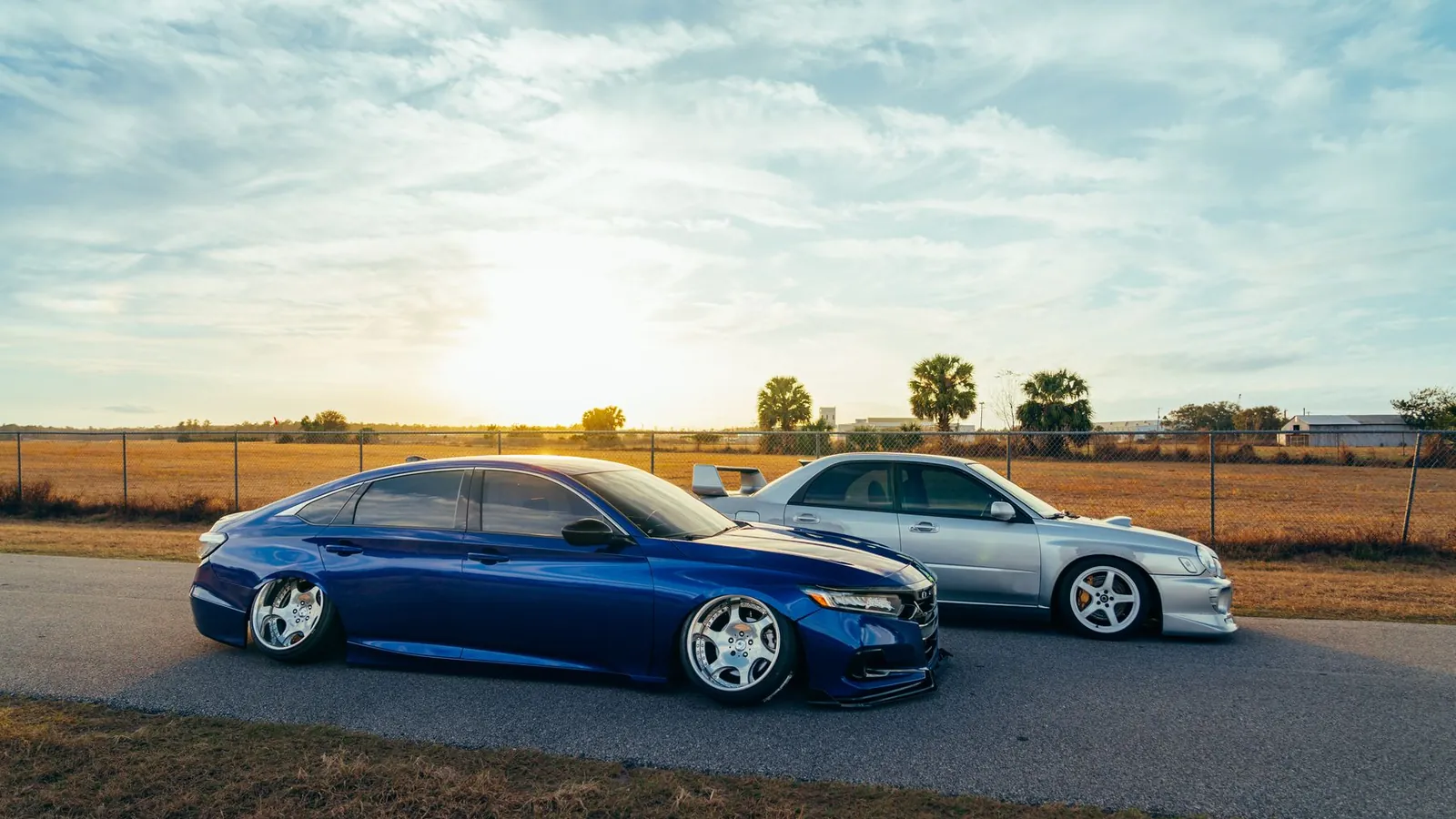
Modifying cars is part of South African car culture. Drive past a spinning day or a weekend meet in Joburg or Cape Town and you will see everything from subtle wheel upgrades on a Polo to full builds on a Golf or a lifted Hilux. Making a car your own is half the fun.
The trouble is that some modifications can get you fined, fail a roadworthy test or, worst of all, leave you without insurance cover when you need it. This guide covers the most popular mods, what the rules generally say and how to stay on the right side of both the law and your insurer.
A quick disclaimer: traffic regulations are detailed, enforcement varies and some areas are open to interpretation by examiners and officers. Treat this as a practical guide, not legal advice, and check with a testing station or specialist before spending serious money.
The basic principle
South African road traffic regulations set standards for how vehicles are built and equipped: lights, glass, noise, brakes, tyres and more. A modification is not automatically illegal, but if it makes the vehicle fall short of those standards, or makes it unsafe, it can be judged unroadworthy. Anything that changes the car significantly from the manufacturer’s specification also invites closer attention.
Window tint
Tint is one of the most popular mods, and the rules are fairly clear:
- Side and rear windows: at least 35% visible light transmission, measured as the combined effect of the glass and film.
- Windscreen: at least 70% visible light transmission, which is almost clear.
Anything darker than these limits can lead to a fine, an instruction to remove the film or a failed roadworthy. Reputable tint installers know the rules and should be able to tell you whether a film combination is legal on your car. Remember that many factory windows already have a slight tint, which counts towards the total.
Exhausts
A good exhaust can sound great, but noise is regulated. Exhaust noise is governed by national standards and local noise regulations, and very loud systems draw attention from traffic officers. Some metro traffic departments treat loud exhausts, including “pops and bangs” tunes, as a modification issue and may issue notices if the vehicle has been altered from the manufacturer’s specification.
To stay sensible:
- Choose a quality system designed for your car, ideally with a silencer
- Avoid removing catalytic converters or silencers
- Keep the system free of leaks, which are a roadworthy fail anyway
- Be considerate in residential areas and at night
Lowering and suspension
Lowering is a staple of the scene, from simple lowering springs to adjustable coilovers and air suspension. There is no single national “lowering limit” that applies in every case, which is why this area causes debate. What examiners and officers typically look at is whether the vehicle is still safe and functional:
- Does the car scrape or bottom out on normal roads?
- Do the tyres rub on the arches or suspension?
- Is the steering and suspension geometry still within a safe range?
- Are components properly installed and secure?
Quality parts, professional installation and a proper wheel alignment go a long way. Extreme drops are more likely to cause trouble at a roadblock or a roadworthy test.
The same principles apply to lift kits on bakkies and 4x4s. A lifted Hilux or Ranger with bigger tyres changes the vehicle’s centre of gravity and handling, and it must still be safe and correctly set up.
Wheels and tyres
Bigger rims are one of the most common upgrades. Keep in mind:
- Tyres must not rub or stick out beyond the bodywork in a dangerous way
- The load rating and speed rating must suit your vehicle
- The overall rolling diameter affects speedometer accuracy
- Tyres on the same axle should match
Wheels far outside the original sizing range can raise questions at a roadworthy test.
Lights
This is where many modifiers get caught out.
- HID retrofits into halogen headlights are widely regarded as illegal, because the headlight cannot control the light properly and it dazzles other drivers.
- LED bulb retrofits sit in a grey area. Properly approved products that produce a correct beam pattern are the safest choice.
- Coloured lights are restricted. Regulations control what colours can face forward and backward, and blue lights are associated with emergency and enforcement vehicles.
- Underglow and light bars can lead to fines if used on public roads, depending on the colour and how they are used.
- Tinted light covers that reduce the output or change the colour of lights are likely to fail.
If you want a lighting upgrade, look for quality approved units, often marked with an “E” approval mark, and have the aim checked after fitting.
Engine and performance modifications
Remaps, intakes, turbo upgrades and engine swaps are all part of the scene. Engine swaps can involve paperwork, especially if the engine number changes, so speak to your licensing office before starting. Any performance mod should be matched by suitable brakes and tyres, and all of them should be declared to your insurer.
The insurance question
This is the part many people skip, and it is the most important. Most insurers require you to disclose modifications that change your car’s value, performance or risk. That can include:
- Wheels and tyres
- Suspension changes
- Engine remaps and performance parts
- Body kits
- Sound systems and accessories
If you do not disclose a modification, an insurer may reject a claim, even if the modification had nothing to do with the incident. Some insurers will cover modified cars at a higher premium, others may decline certain mods. Policies vary, so ask your insurer or broker before you modify, and get their answer in writing if possible.
Buying mod parts safely
Mod parts are popular on the second-hand market, as people upgrade, sell projects or return their cars to standard. That can be great value, but it is also a common area for scams and misdescribed parts. On SecureAutoMarket, your payment is held in escrow by TradeSafe and only released once you receive and accept the part, so you can check that coilovers, rims or exhaust sections are as described. Used parts are sold as is, so ask questions and request clear photos before you buy.
Returning your car to standard? Your original parts are valuable to someone else. You can start selling on SecureAutoMarket and reach buyers nationwide.
Quick checklist before you modify
- Is the modification likely to meet roadworthy standards?
- Are you using quality, approved parts?
- Will it be professionally installed where needed?
- Have you told your insurer?
- Could it cause problems when you sell the car?
Keep reading
- Budget Car Interior Upgrades: Easy Wins That Stay Safe
- Classic Car Parts in South Africa: Finding Hard-to-Find Spares
- Salvage vs Used vs Refurbished Car Parts: What’s the Difference?
Frequently asked questions
What is the legal window tint in South Africa?
Side and rear windows must let through at least 35% of visible light, measured as the combined glass and film, and the windscreen must allow at least 70%. Anything darker can lead to a fine, removal of the film or a failed roadworthy.
Is lowering my car illegal in South Africa?
There is no simple yes or no. Moderate lowering done with quality parts is common, but a car that scrapes, has tyres that rub, or has altered steering and suspension geometry can be judged unroadworthy by an examiner or traffic officer. Tell your insurer about any suspension change.
Do I have to tell my insurer about modifications?
Yes. Most insurers require you to disclose modifications that change the car’s value, performance or risk. Failing to do so can lead to a rejected claim, even if the modification had nothing to do with the incident. Check your policy wording and ask your insurer directly.
Are coloured underglow or blue lights legal?
Be very careful. Road traffic regulations control which colours of light may be shown to the front and rear of a vehicle, and blue lights are associated with emergency and enforcement vehicles. Non-standard exterior lights can lead to fines and a failed roadworthy.